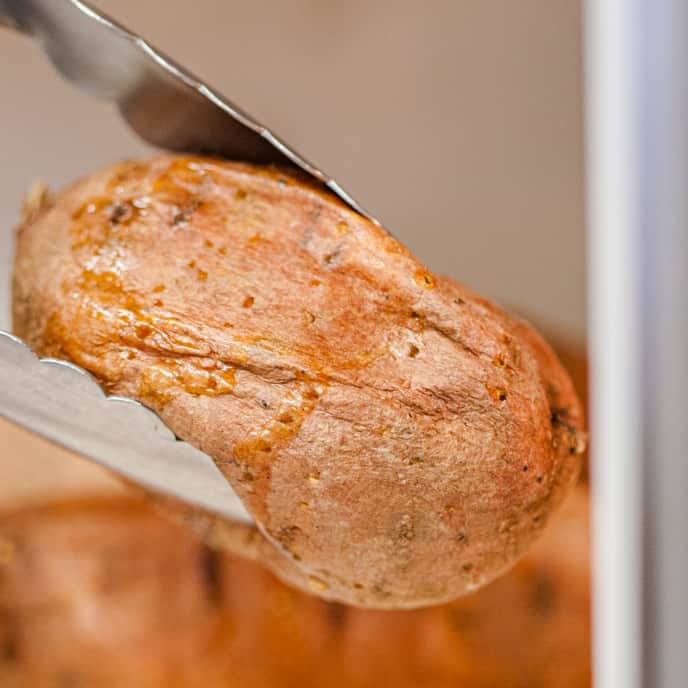
Oven vs. Microwave: Why Baking Sweet Potatoes Delivers Crispier Skin
When it comes to preparing delicious sweet potatoes, you have a few options at your disposal. While the microwave might promise speed and convenience, there’s a distinct culinary advantage to taking the traditional route. For anyone keen on discovering
how to make baked sweet potatoes with an irresistibly crispy skin and a tender, fluffy interior, the oven reigns supreme. This article delves into why baking is the preferred method and provides all the tips and tricks for achieving sweet potato perfection.
The Crispy Skin Showdown: Oven vs. Microwave
The debate over the best cooking method for sweet potatoes often boils down to a trade-off between speed and texture. The microwave, with its ability to cook potatoes in mere minutes, is undeniably a boon for busy weeknights. It works by exciting water molecules within the potato, rapidly generating steam that cooks the flesh quickly from the inside out. This process, however, is a double-edged sword. While it yields a soft, moist interior, it struggles to replicate the dry heat environment necessary for a truly crispy skin. The high moisture content created by microwaving often results in a soft, sometimes rubbery, exterior – far from the desired crispness.
The oven, on the other hand, employs a dry-heat cooking method. As the sweet potato bakes, moisture slowly evaporates from its surface, allowing the sugars to caramelize and the skin to crisp up beautifully. This effect is further enhanced when the potato is brushed with a thin layer of oil and sprinkled with coarse kosher or sea salt before baking. The oil helps conduct heat and promotes browning, while the salt not only seasons the skin but also aids in drawing out moisture, contributing to that coveted crunch. So, while the microwave gets dinner on the table faster, the oven delivers a superior textural experience that transforms a simple side dish into a culinary delight.
The Secrets to Perfect Crispy Baked Sweet Potato Skin
Achieving that ideal crispy skin and creamy interior isn't complicated, but it does require a few key steps and considerations. Mastering these techniques is essential for anyone wanting to learn
how to make baked sweet potatoes that truly shine.
1. Choose Wisely
Start with the right sweet potatoes. While size dictates baking time, aiming for longer, more slender sweet potatoes that weigh around 8 to 10 ounces is often ideal. Their shape allows for more even cooking, ensuring the center becomes super moist before the skin gets too dark or tough. Avoid overly thick or unevenly shaped potatoes if you're aiming for consistent results.
2. Meticulous Scrubbing and Drying
This step is non-negotiable for both hygiene and texture. Sweet potatoes are harvested directly from the ground, and even if they look clean at the grocery store, dirt and dust can hide in their skin. Scrub them thoroughly under cold running water using a stiff brush. Once clean, pat them *completely dry* with paper towels or a clean kitchen towel. Any residual moisture on the skin will steam rather than crisp in the oven, hindering your goal of a crunchy exterior. For best results, let them air dry for an additional 15-30 minutes, turning them once, to ensure the skin is bone dry before baking.
3. The Power of Oil and Salt
Before baking, lightly brush the entire surface of each dried sweet potato with a high-smoke-point oil like olive oil or avocado oil. This not only promotes browning and crisping but also helps seasonings adhere. Generously sprinkle with coarse kosher salt or flaky sea salt. The salt contributes flavor, helps draw out surface moisture, and provides a delightful textural crunch.
4. Poke, Don't Wrap
Resist the urge to wrap your sweet potatoes in aluminum foil. While foil can technically make the potato cook faster by trapping steam, it also prevents the skin from crisping up. For the ultimate crispy skin, bake your sweet potatoes directly on the oven rack or on a baking sheet. Before placing them in the oven, poke a few holes in each potato with a fork or knife. This allows steam to escape during cooking, preventing the potato from bursting and helping the interior become light and fluffy.
5. Higher Heat for Better Results
While sweet potatoes can bake at various temperatures, a higher oven temperature (between 400°F to 425°F or 204°C to 218°C) is key to achieving that perfect balance of crispy skin and a creamy, non-dry interior. This higher heat ensures the skin crisps quickly while the interior cooks evenly and caramelizes its natural sugars, enhancing its sweetness.
Sweet Potato Baking Times & Temperature Guide
The baking time for sweet potatoes is primarily dependent on their size and thickness, as well as your chosen oven temperature. Unlike regular russet potatoes, sweet potatoes tend to bake a bit faster due to their softer flesh and higher moisture content, which generates more internal steam. However, a very large sweet potato will still take longer than a small russet.
Here’s a general guide to help you perfectly bake your sweet potatoes:
- At 375°F (190°C): Expect approximately 75+ minutes. This lower temperature allows for a slower bake, which can result in a deeply caramelized interior, but might require a longer cook time to achieve significant skin crispness.
- At 400°F (204°C): A good middle ground, sweet potatoes typically take 60-75 minutes. This temperature strikes an excellent balance, promoting both a creamy interior and a developing crispy skin.
- At 425°F (218°C): For the crispiest skin and a wonderfully soft interior, aim for 45-60 minutes. This higher temperature is often preferred for accelerating the browning process on the skin.
Regardless of the temperature you choose, the sweet potato is done when it yields easily to a gentle squeeze or when a fork or knife can be inserted into its thickest part with little to no resistance.
Beyond the Basics: Elevating Your Baked Sweet Potatoes
Once you've mastered
how to make baked sweet potatoes with crispy skin and a fluffy center, the possibilities for enjoyment are endless. Baked sweet potatoes are incredibly versatile, serving as a cozy side dish or transforming into a hearty meal with the right toppings. They are also packed with nutrients, offering about 180 calories per medium potato, along with fiber, vitamins, and minerals.
Classic and Comforting Toppings:
- Sweet: A simple pat of butter and a drizzle of honey or maple syrup is a timeless favorite. A sprinkle of cinnamon or nutmeg can elevate the experience. For a more decadent treat, a dollop of toasted marshmallow fluff can turn it into a dessert.
- Savory: A dollop of sour cream or Greek yogurt, sprinkled with fresh chives or cooked bacon bits, makes for a satisfying side.
Hearty and Innovative Meal Fillings:
- Chili & Cheese: Stuff your sweet potato with warm beef and bean chili, then top with shredded cheddar or Monterey Jack cheese.
- Guacamole Goodness: A generous scoop of fresh guacamole, perhaps with a sprinkle of chili flakes, offers a vibrant and healthy option.
- Spicy Beans: Black beans or pinto beans seasoned with cumin, chili powder, and a touch of lime juice make a fantastic vegetarian or vegan filling.
- Pulled Pork/Chicken: Transform your sweet potato into a main course by loading it with tender pulled pork or shredded chicken, perhaps with a BBQ sauce drizzle.
- Mediterranean Flair: crumbled feta, Kalamata olives, sun-dried tomatoes, and a drizzle of olive oil.
The natural sweetness of the baked sweet potato pairs wonderfully with both sweet and savory elements, making it an incredibly adaptable canvas for your culinary creativity.
In conclusion, while the microwave offers undeniable speed, the oven delivers a fundamentally superior baked sweet potato experience, especially if that coveted crispy skin is your goal. By understanding the science of dry heat, meticulously prepping your potatoes, and applying a few simple techniques like oiling, salting, and baking at higher temperatures, you can consistently achieve sweet potatoes that boast a perfectly crisp exterior and a beautifully moist, fluffy interior. So, the next time you're wondering
how to make baked sweet potatoes that truly impress, embrace the oven – your taste buds will thank you.