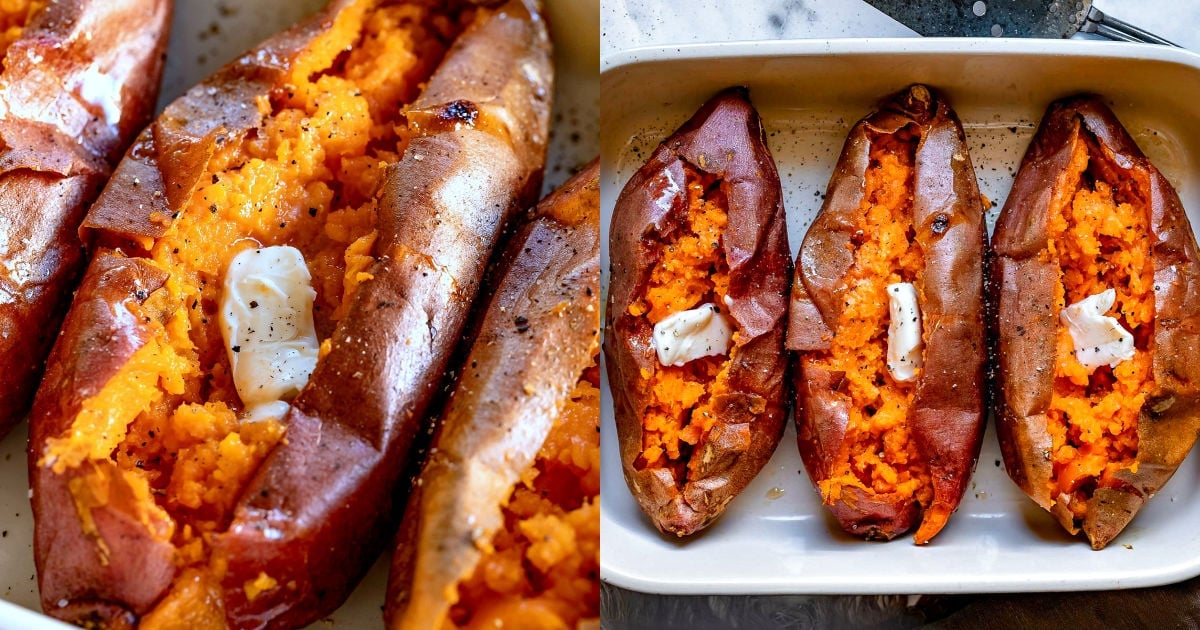
The humble sweet potato, with its vibrant color and naturally sweet flavor, is a true culinary chameleon. Whether you're seeking a hearty side dish, a nutritious base for a meal, or simply a comforting snack, learning how to make baked sweet potatoes perfectly can elevate your everyday cooking. Forget bland, mushy spuds; we're talking about a golden-crisp exterior giving way to a luxuriously soft, fluffy, and naturally sweet interior. This comprehensive guide will walk you through every step, from meticulous scrubbing to ideal oven temperatures and creative topping ideas, ensuring you master the art of the perfect baked sweet potato every single time. For an even deeper dive into achieving that ideal texture, explore our guide on Master the Perfect Baked Sweet Potato: Crispy Skin & Fluffy Center.
The Foundation of Flavor: Selecting & Preparing Your Sweet Potatoes
The journey to an impeccable baked sweet potato begins long before it hits the oven. Proper selection and preparation are crucial for achieving that coveted texture and flavor.
Choosing the Best Sweet Potatoes
While any sweet potato can be baked, a discerning eye at the grocery store can make a significant difference. We recommend sifting through the bin for longer, more slender sweet potatoes, ideally weighing between 8 to 10 ounces each. This size range is perfect because it allows the center to bake through thoroughly and remain incredibly moist without the skin becoming too dark or overly crispy. Avoid potatoes with soft spots, sprouts, or blemishes, as these can indicate poor quality or spoilage. Look for firm, uniformly colored sweet potatoes for the best results.
The Critical First Step: Scrubbing and Drying
This step is non-negotiable! Sweet potatoes are harvested directly from the ground, meaning dirt, dust, and even tiny organisms can cling to their skins, even if they appear clean. A thorough scrub is essential for both hygiene and optimal texture. Here’s how to do it:
- Scrub Immediately: As soon as you bring them home from the market, take your sweet potatoes to the sink.
- Cold Running Water: Hold each potato under cold running water.
- Use a Brush: With a clean vegetable brush, vigorously scrub the entire surface of the potato, paying extra attention to any crevices or 'eyes' where dirt might hide.
- Rinse Thoroughly: Rinse again to ensure all dirt particles are washed away.
- Dry Completely: This is arguably the most crucial part for crispy skin. Pat each scrubbed potato thoroughly dry with paper towels or a clean kitchen towel.
- Air Dry: For ultimate crispiness, lay the potatoes in a single layer on a clean surface at room temperature. Allow them to air dry completely, turning them over once to ensure even drying on all sides. Any lingering moisture will create steam in the oven, hindering that desirable crispy skin. This proactive drying ensures your sweet potatoes are prepped and ready for their perfect bake.
Master the Heat: Baking for Ultimate Texture and Sweetness
Once your sweet potatoes are pristine and dry, it’s time for the oven to work its magic. Baking is a form of dry-heat cooking that truly brings out the sweet potato's natural sugars and develops incredible flavors without the need for excessive sweeteners or oils.
Optimal Oven Temperatures and Times
The baking time for sweet potatoes hinges primarily on their size and thickness, as well as your oven temperature. While lower temperatures work, we advocate for a slightly higher heat to achieve the best balance of creamy interior and tender-crisp skin. Here’s a general guide:
- At 375°F (190°C): Expect 75+ minutes. Lower heat means a longer cook time.
- At 400°F (204°C): Approximately 60-75 minutes. A great middle-ground for even cooking.
- At 425°F (218°C): About 45-60 minutes. This is our preferred temperature, as it strikes a perfect balance. It cooks the potatoes evenly, intensifying their natural sweetness, and results in a wonderfully soft, creamy interior without drying it out.
Always preheat your oven completely before placing the potatoes inside. To check for doneness, simply pierce the center of the potato with a fork or a thin knife – it should slide in with very little resistance.
The Secret to Crispy Skin: Oil, Salt, and No Foil
Achieving that delightful, slightly puffed-up, crispy skin is one of the hallmarks of a perfectly baked sweet potato. Here’s how to do it:
- No Foil: This is a key tip! Unlike some traditional potato baking methods, skip the aluminum foil. Baking sweet potatoes directly on the oven rack or a baking sheet allows the dry heat to circulate evenly around the skin, promoting crispiness. Foil traps steam, resulting in a soft, rather than crisp, skin.
- Lightly Oil: For an extra boost of crispiness and flavor, brush the dry sweet potatoes with a thin layer of olive oil, avocado oil, or another high-heat oil. This helps the skin crisp up beautifully and prevents it from sticking.
- Coarse Salt: After oiling, sprinkle the potatoes generously with coarse kosher salt or flaky sea salt. This adds a fantastic textural element and enhances the overall flavor.
- Poke Holes: Before baking, use a fork to prick each sweet potato several times all over. This allows steam to escape during baking, preventing the potato from bursting and helping the interior cook more evenly.
While the microwave offers speed, it simply cannot replicate the crispy skin and caramelized sweetness achieved in the oven. For a deeper dive into why baking reigns supreme for texture, read our detailed comparison: Oven vs. Microwave: Why Baking Sweet Potatoes Delivers Crispier Skin.
Beyond the Basics: Creative Toppings for Every Occasion
Once you’ve mastered how to make baked sweet potatoes, the fun truly begins with toppings! A perfectly baked sweet potato is incredibly versatile, serving as a delicious canvas for a multitude of flavors, transforming it from a simple side to a fulfilling meal.
Simple & Classic Pairings
Sometimes, less is more. These classic toppings enhance the sweet potato's natural flavor without overpowering it:
- Butter & Honey/Maple Syrup: A simple pat of butter, perhaps some cinnamon, and a drizzle of honey or maple syrup emphasize the sweet potato's inherent sweetness.
- Sour Cream & Chives: A dollop of cool sour cream (or Greek yogurt for a healthier twist) with a sprinkle of fresh chives offers a tangy contrast.
- Crispy Bacon Bits: Crumbled cooked bacon adds a salty, savory crunch that pairs wonderfully with the sweet potato's creamy texture.
- Sea Salt & Black Pepper: For the purists, sometimes just a little extra seasoning is all you need to highlight the potato's natural taste.
Elevate Your Meal: Hearty & Gourmet Ideas
For those looking to transform a baked sweet potato into a complete and satisfying meal, the possibilities are endless:
- Chili Loaded: Top with a generous serving of beef and bean chili, a sprinkle of shredded cheese, and a dollop of sour cream for a comforting, hearty meal.
- Guacamole & Black Beans: For a vibrant, plant-based option, stuff your sweet potato with seasoned black beans, a scoop of fresh guacamole, and perhaps a squeeze of lime juice. Add a dash of hot sauce for a kick.
- Spicy Beans & Corn Salsa: A medley of spicy black beans or pinto beans, a fresh corn salsa (corn, red onion, cilantro, lime), and a drizzle of a creamy chipotle sauce makes for an exciting and flavorful dish.
- Mediterranean Inspired: Fill with crumbled feta cheese, Kalamata olives, cherry tomatoes, cucumber, and a drizzle of olive oil and a sprinkle of oregano.
- Breakfast Style: For a unique breakfast, top with scrambled eggs, a sprinkle of cheese, and some chopped avocado.
Don't be afraid to experiment with your favorite flavors and ingredients. Baked sweet potatoes are incredibly forgiving and delicious with a wide array of sweet and savory accompaniments.
Troubleshooting & Pro Tips for Perfect Baked Sweet Potatoes
Even with a straightforward recipe, a few common questions or challenges can arise. Here are some pro tips to ensure your sweet potato success:
- How Do I Know When It’s Done? The most reliable method is the fork-tender test. Carefully insert a fork or a thin knife into the thickest part of the sweet potato. If it slides in easily with no resistance, your potato is perfectly cooked. If it feels firm, give it more time.
- Why Is My Sweet Potato Dry? Overbaking is the primary culprit. Sweet potatoes, especially smaller ones, can dry out if left in the oven too long. Using a slightly higher temperature (400-425°F) helps cook the interior quickly while maintaining moisture. Also, ensure you don't bake them until the skin is overly darkened or brittle.
- Can I Prep Them Ahead? Yes! Once scrubbed and completely dried, sweet potatoes can be stored at room temperature for a few days before baking. For a quick weeknight meal, you can even bake them ahead of time, then reheat them in the oven (at 350°F/175°C) for 10-15 minutes, or until warmed through, to regain some crispiness.
- Batch Cooking: If you're baking multiple sweet potatoes, ensure they are roughly the same size for even cooking. Also, give them space on the baking sheet or oven rack to allow hot air to circulate freely around each potato, promoting uniform baking and crisp skin. Overcrowding can lead to steaming, which softens the skin.
Mastering how to make baked sweet potatoes is a skill that will serve you well in countless culinary situations. With a focus on proper cleaning, strategic baking temperatures, and the magical touch of oil and salt, you can consistently achieve sweet potatoes that boast a perfectly crispy skin and a wonderfully fluffy, naturally sweet interior. From a simple, comforting side to a fully loaded main course, the baked sweet potato is a delicious, nutritious, and endlessly versatile dish. So, grab your sweet potatoes, fire up your oven, and prepare to enjoy a truly perfect culinary creation!
